Every bottle of wine starts as a piece of fruit hanging on a vine, and ends as one of the most complex beverages humans have ever made. In between, it passes through a handful of stages that haven't changed in their essentials for thousands of years, even if the equipment has. Understanding them makes every glass more interesting — and makes wine labels a lot less intimidating.
In short
- Wine is grape juice fermented by yeast, which turns natural sugar into alcohol.
- Red wine ferments with the grape skins; white wine ferments without them — that single choice explains most of the color and tannin difference between the two.
- Aging in oak or steel, and how the wine is clarified before bottling, are the winemaker's main tools for shaping the final style.
1. Harvest: timing is everything
Winemaking begins in the vineyard, not the cellar. Grapes are picked when their sugar, acidity, and tannin levels reach the balance the winemaker wants — usually late summer to early autumn in the Northern Hemisphere. Pick too early and the wine tastes thin and sour; pick too late and it turns flabby and overly alcoholic. Some producers still harvest by hand, especially on steep slopes or for delicate grapes, while large operations often use machines that can strip a row of vines in minutes.
2. Crushing and destemming
Once picked, grapes are gently crushed to release their juice, and the stems are usually removed, since they can add harsh, bitter flavors. This mix of juice, skins, seeds, and pulp is called "must." What happens next is the single biggest fork in the road for how the finished wine will taste.
Red wine vs. white wine: the key difference
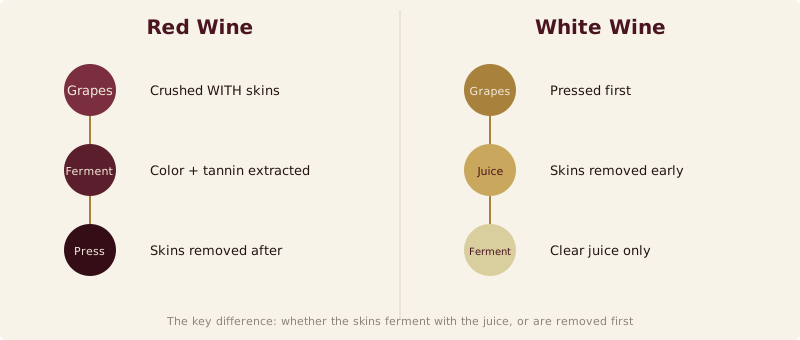
For red wine, the juice ferments together with the grape skins, which is where nearly all the color, tannin, and much of the flavor comes from. For white wine, the skins are typically removed before fermentation, so only the clear juice ferments — which is why you can make a white wine from a red-skinned grape, as is sometimes done with Pinot Noir in Champagne.
3. Fermentation: where science becomes alchemy
Fermentation is the heart of winemaking. Yeast — either wild yeast naturally present on the grape skins, or a cultivated strain added by the winemaker — consumes the sugar in the grape juice and converts it into alcohol and carbon dioxide. This process typically takes anywhere from a few days to a few weeks, and temperature control is critical: too hot, and the wine loses delicate aromas; too cold, and fermentation can stall entirely.
Fermentation is simply sugar becoming alcohol — but controlling exactly how it happens is what separates a forgettable wine from a memorable one.
4. Pressing
For red wines, after fermentation the liquid is separated from the solid skins and seeds (called "pomace"), often with the help of a press to extract the remaining juice. For white wines, pressing usually happens earlier, right after crushing, before fermentation even begins.
5. Aging: barrel or tank
Many wines rest for weeks, months, or even years before bottling. This aging can happen in stainless steel tanks, which preserve bright, fresh fruit character, or in oak barrels, which add flavors like vanilla, toast, and spice while also softening tannins through slow exposure to tiny amounts of oxygen. The choice of vessel, and how new or old the oak is, is one of the biggest tools a winemaker has to shape the final style.
6. Clarifying and stabilizing
Before bottling, most wines are clarified to remove leftover solids, either by letting them settle naturally, filtering, or using a process called fining, where a substance is added to bind with unwanted particles and pull them out of suspension. This step is about clarity and stability, not flavor — though a wine labeled "unfiltered" has skipped part of this process deliberately, for a fuller texture.
7. Bottling
Finally, the wine is bottled, corked or capped, and labeled. Some wines are ready to drink the moment they're bottled; others, particularly age-worthy reds, will continue developing in the bottle for years or even decades, slowly transforming through the tiny amount of oxygen that seeps in over time.
Why this matters for you
Next time you read a wine label mentioning "oak-aged," "unfiltered," or "skin contact," you'll know exactly what happened in the cellar to get that bottle into your hands — and what it likely means for the taste in your glass.
Frequently Asked Questions
How long does fermentation actually take?
Most fermentations run anywhere from a few days to about three weeks, depending on temperature, yeast strain, and the style being made. Cooler fermentations for delicate whites tend to run longer and slower; warmer red fermentations often finish faster.
Can wine be made without adding any yeast?
Yes — this is called a wild or "native" fermentation, relying entirely on the yeast already present on the grape skins and in the winery. Many traditional and natural wine producers work this way, though it's less predictable than using a cultivated yeast strain.
Why do some wines list "unfiltered" on the label?
Filtering removes leftover solids for a clearer wine but can also strip out a small amount of texture and flavor. Producers who skip this step, and say so on the label, are choosing fuller texture over perfect clarity — it's a stylistic decision, not a quality problem.